

Wilderness Therapy: Trusted Anxiety Treatment for Teens
Is traditional therapy not helping your teen’s anxiety? RedCliff Ascent's wilderness program offers a unique and effective approach to treating anxiety in teens. Through challenging outdoor experiences and personalized therapy, teens develop the resilience and coping skills they need to overcome anxiety and live their best life.
Take our teen anxiety assessment and see if a wilderness therapy program is right for your family.
Teen anxiety is a common and often debilitating mental health condition that affects many adolescents. While everyone experiences some degree of anxiety at times, when it becomes persistent and affects daily life, it may be time to seek professional help. In this section, we will explore the types and causes of anxiety in teens in more detail.
Signs Your Teen May Need Anxiety Treatment:
The signs of teen anxiety can be physical, emotional, and behavioral in nature. It's important for parents to be aware of the warning signs in order to provide the necessary support and resources to help manage anxiety. The following list includes common symptoms of teen anxiety that parents should be aware of:
- Persistent worry or fear: Teens with anxiety may constantly feel worried or fearful about events or activities, even if there is no logical reason for their concern.
- Avoidance of social situations: Teens with anxiety may start avoiding social events, such as parties or group activities, due to fear of judgment or embarrassment.
- Physical symptoms: Anxiety can cause physical symptoms such as headaches, stomachaches, or muscle tension. These physical symptoms can make it difficult for teens to attend school or participate in everyday activities.
- Sleep problems: Teens with anxiety may have difficulty falling asleep or staying asleep due to persistent worry and racing thoughts.
- Irritability or frustration: Teens with anxiety may exhibit signs of irritability or frustration, especially in response to perceived stressors.
- Restlessness or fidgeting: Teens with anxiety may appear restless or fidgety, due to a combination of physical symptoms and a constant state of worry or unease.
- Chronic fatigue or low energy: Chronic anxiety can lead to fatigue and decreased energy levels, making it difficult for teens to participate in activities they once enjoyed.
- Difficulty concentrating or forgetfulness: Teens with anxiety may have difficulty focusing or retaining information, which can impact their academic performance.
- Perfectionism or excessive worry about mistakes: Teens with anxiety may become overly perfectionistic or excessively worried about making mistakes, which can impact their self-esteem and quality of life.
- Unexplained changes in behavior or mood: Teens with anxiety may experience sudden and unexplained changes in behavior or mood, which can impact their relationships with friends and family.
- Eating disorders: Teens with anxiety may develop eating disorders, such as anorexia or bulimia, as a way to exert control over their physical and emotional state.
- Aggressive behavior: Teens with anxiety may display aggressive or hostile behavior towards others, especially in response to perceived stressors.
- Self-harm: Some teens with anxiety may engage in self-harm behaviors, such as cutting or burning, as a way to relieve emotional distress.
- Excessive anger: Anxiety can cause sudden and intense outbursts of anger, which can strain relationships with friends and family.
- Withdrawal from activities: Teens with anxiety may suddenly withdraw from activities or hobbies they once enjoyed, due to fear or discomfort in social situations.
- Compulsive behaviors: Teens with anxiety may engage in compulsive behaviors, such as repeated hand-washing or counting, as a way to alleviate their anxiety symptoms.
- Isolation: Teens with anxiety may withdraw from friends and family and become increasingly isolated, which can exacerbate their anxiety symptoms and impact their overall well-being.
You Are Not Alone
RedCliff Ascent is there for you and your family.
Types of Teen Anxiety
There are several different types of teen anxiety, including:
- Generalized Anxiety Disorder (GAD) - characterized by excessive, ongoing worry and tension
- Social Anxiety Disorder - intense fear of being judged or scrutinized in social situations
- Panic Disorder - sudden, intense feelings of fear and anxiety, often accompanied by physical symptoms such as rapid heartbeat or sweating
- Obsessive-Compulsive Disorder (OCD) - repetitive thoughts and behaviors aimed at reducing anxiety
- Separation Anxiety Disorder - excessive fear or distress about being away from home or loved ones
- Specific Phobias - intense fear of a specific object or situation, such as spiders or flying
- Post-Traumatic Stress Disorder (PTSD) - anxiety and other symptoms that occur after a traumatic event.
It is important to note that some teens may experience symptoms of more than one type of anxiety disorder. The exact causes of teen anxiety are not well understood, but a combination of genetic, environmental, and life experiences may play a role.
What Causes Anxiety in Teens?
The causes of teen anxiety can be complex and can stem from a variety of factors, including:
- Genetics: Anxiety can run in families, and some research suggests that there may be a genetic component to certain anxiety disorders.
- Life events: Traumatic experiences, such as physical or sexual abuse, a natural disaster, or the loss of a loved one, can trigger anxiety symptoms.
- Brain chemistry: Imbalances in neurotransmitters, such as serotonin and dopamine, can contribute to anxiety symptoms.
- Environmental stressors: Chronic stress, bullying, academic pressure, or family conflict can all contribute to anxiety in teens.
- Personality: Some personality traits, such as shyness or introversion, can increase a teen's risk of developing anxiety.
It is important to note that the causes of anxiety in teens can vary greatly, and that different factors may contribute to each individual's experience of anxiety. Additionally, the presence of one or more risk factors does not guarantee that a teen will develop anxiety.
Anxiety does not empty tomorrow of its sorrows, but only empties today of its strength.
Importance of Early Intervention & Treatment for Teen Anxiety
Teen anxiety is a common problem affecting many young people. According to the National Institute of Mental Health (NIMH), approximately 31.9% of teens will experience an anxiety disorder at some point during their teenage years. Here are some more statistics on teen anxiety:
- Prevalence: According to the Anxiety and Depression Association of America (ADAA), anxiety disorders are the most common mental health disorders in the U.S., affecting around 40 million adults aged 18 and older.
- Age of onset: The average age of onset for anxiety disorders is 11 years old.
- Gender differences: While both males and females can experience anxiety, girls are more likely to be diagnosed with an anxiety disorder.
- Undiagnosed cases: It is estimated that only about a third of people with anxiety disorders receive treatment, meaning that many teens with anxiety may not receive the help they need.
- Comorbidity with other disorders: Teens with anxiety often have other mental health problems, such as depression or behavioral issues.
It is important to be aware of the high prevalence of teen anxiety and the impact it can have on a young person's life. With the right support and treatment, many teens can overcome their anxiety and lead fulfilling lives.
Not Seeking Anxiety Treatment Can Be Harmful
Lack of anxiety treatment may stem from stigma associated with mental health, lack of access to care, or simply not knowing where to go for help. But the longer it takes for your teen to receive help, the more difficult their recovery can be. Delays in treatment time can cause other serious consequences too. Without treatment, anxiety can:
- Reduced quality of life: Chronic anxiety can affect a person's ability to participate in daily activities and enjoy life.
- Mental health problems: Untreated anxiety can lead to other mental health problems, such as depression.
- Physical health problems: Anxiety can lead to physical symptoms, such as headaches, stomach problems, or muscle tension, which can have long-term effects on a person's health.
- Difficulty with relationships: Chronic anxiety can make it difficult for a person to form and maintain healthy relationships.
- Academic or work-related problems: Anxiety can affect a person's ability to focus, concentrate, and perform well in school or work, leading to academic or work-related problems.
The teenage years are also a crucial time of identity development. Without proper treatment, teens can develop increasingly harmful habits to cope with the anxiety as it gets worse. These habits and behaviors become harder to overcome as they become more established in your teen's life.
Early Intervention Is Important For Anxiety Recovery
Early intervention refers to recognizing the warning signs of anxiety and acting before it gets worse. When you realize that your teen is struggling with anxiety, it’s important to get professional treatment before it becomes worse.
Early intervention can also save a teen and their loved ones from:
- increased stress
- prevent more serious symptoms and habits from developing
- and reduce the likelihood of problems with family and school.
Plus, it could help reduce long-term medical costs and the overall burden on family and friends. Recovery from anxiety is possible with the right tools and treatment program. You can help your teen get the support they need.
What is Wilderness Therapy?
Wilderness therapy is a type of grief treatment that uses nature, wilderness activities, and therapy as a means to address and heal grief and loss in teens. Wilderness therapy takes full advantage of the outdoors and its ability to foster change. The outdoors provide teens with a contrasting environment to observe aspects of themselves that are often overlooked in traditional talk therapy.
As the leader in wilderness therapy, RedCliff Ascent is an effective treatment program for struggling teens aged 13-17. RedCliff Ascent’s safe, nurturing, and supportive environment provides teens the skills they need to cope in a healthy and age-appropriate way.
Benefits of Wilderness Therapy for Teens with Anxiety
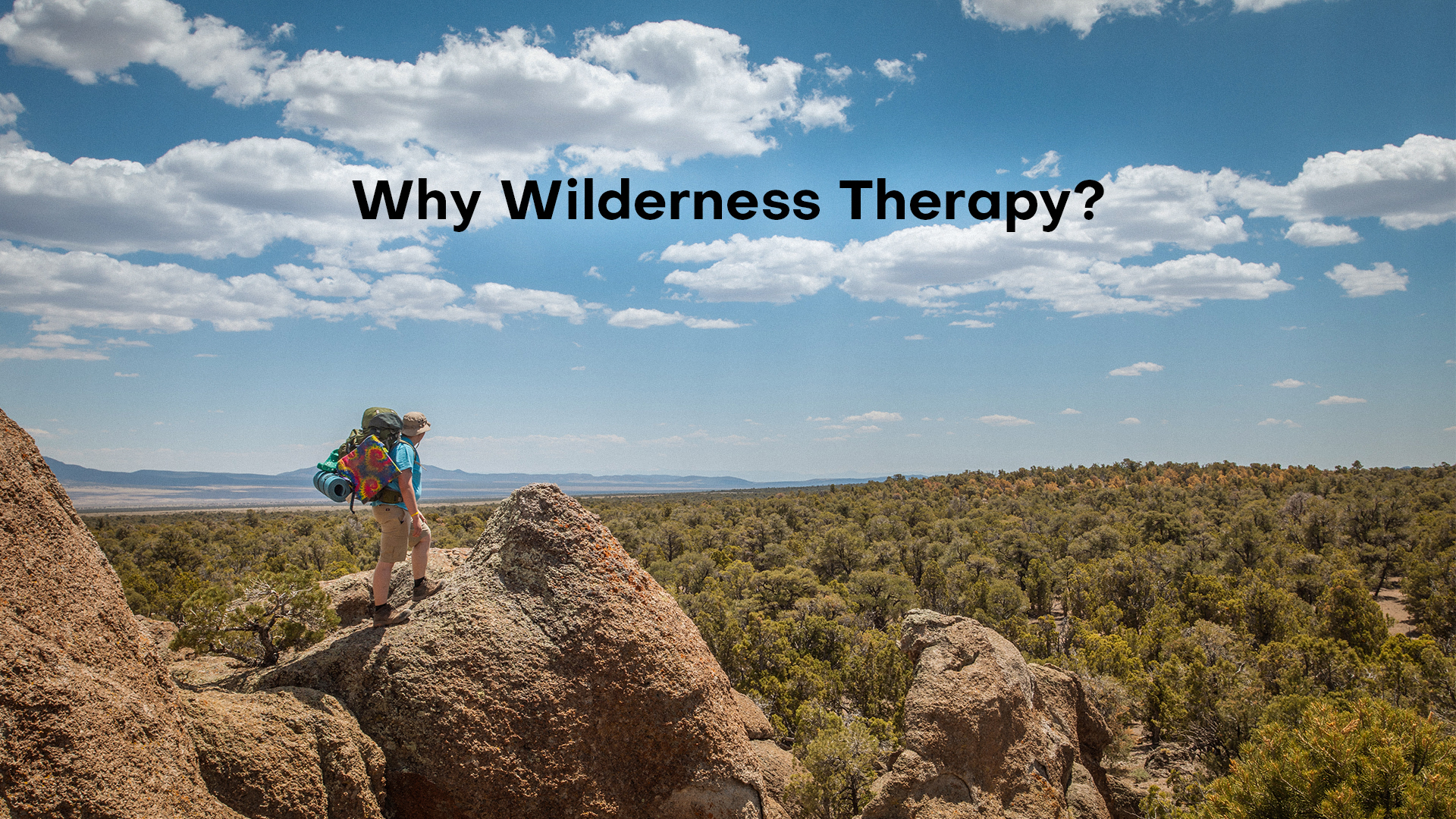
Being immersed in nature can have a profound impact on a teenager. It improves their mental, emotional and physical health. When combined with a proven clinical approach, a therapeutic wilderness experience helps teens heal from anxiety. Here are five specific benefits your family can expect to see while your teen is in wilderness therapy.
98% of students report feeling connected to RedCliff's staff and one or more of their peers.
Upon completion of the program, 86% of parents reported improvement in their child's problems when compared to when they entered
12 months after treatment 86% of parents reported that their child's problems are improved since they completed treatment
How Does Wilderness Therapy Work?
RedCliff Ascent has helped teens with anxiety for almost 30 years and has conducted research since its inception. Through our research, we have identified seven principles that actually make a difference in helping your whole family recover from your teen's anxiety.

Exclusionary criteria for RedCliff Ascent include:
- Teens younger than 13 and older than 17.5
- Teens with a physical limitation, i.e. wheelchair, crutches, etc.
- Teens with conditions that need intensive medical care or monitoring, i.e. eating disorders, diabetes, etc.
- Teens with a history of violence or sexual assault
- Teens with psychosis or schizophrenia
RedCliff Ascent does not take Medicare or Medicaid.
What Our Clients Say About RedCliff Ascent
I’d like to let you know how delighted I am with the RedCliff program and how impressive the hard work and dedication of the staff is...We feel that your program has very probably saved this child’s life and given us back our son.
- Kathy
We are very pleased with [our daughter's] self-improvements. A year ago we would not have dreamed all this to be possible! The path she head down was self-destruction. The impact of the RedCliff program is what turned [her] around. Our headstrong daughter was able to take stock of her past behavior, deal with her anger towards us, and begin to move in a more positive direction.
Even though sending her to RedCliff was a gut-wrenching decision, we know we did the right thing. We are thankful for the help and insight you gave to her and us.
- Clark and Irene
Since [our son] went to RedCliff we have all been transformed, but none as much as he. All of his teachers had nothing but good things to say about him. There have been no behavior issues at school this year. As a matter of fact, his teachers stated that they would like it if they had more students like Rob in their classes. I cried again at this meeting, but this time they were tears of joy.
- Julie


Backed by The Joint Commission which ensures programs adhere to the highest quality of clinical and medical practices.

Designated as a NATSAP Research Program, showing our commitment to well-researched practices in our program.

We are also OBH Accredited through the Association of Experiential Education (AEE) which regulates wilderness therapy practices.

Full member of the National Association of Therapeutic Schools and Programs (NATSAP), which ensure regulation of programs that serve children and adolescents.

RedCliff Ascent is fully licensed in the state of Utah.

Backed by the Association of Experiential Education (AEE) that ensures programs maintain appropriate professional behavior and risk management.

Founding member of the OBH Council (Outdoor Behavioral Healthcare Council).

Founding member of Choose Mental Health, guiding families with questions about mental health.
Every teen’s strengths and challenges are different. Complete the no-obligation teen anxiety assessment below to help us understand your family’s needs.
We respect your privacy and will never share your information.
We’re here to help - take the first step and contact us to see if wilderness therapy could be the path to healing for your family.