
 Joint Commission Accredited
The Stars Were Always There: A Family's Journey Out of a Mental Health Crisis
In this premiere podcast episode of RedCliff Ascent, a New York father named Richard shares his family’s emotional and courageous journey after choosing wilderness therapy for his daughter, who was battling severe anxiety and depression. He shares the profound impact on their entire family system, from the initial trauma and fear to the eventual healing and reconnection. This episode offers hope and essential guidance for any parent navigating a child's crisis and seeking a new path to resilience. Take Richard's final advice to you: have the courage. If you're ready to clear the "daylight" of distractions and see your child's resilience shine through, let us guide you. Discover your family's path to healing today. Call us at 801-921-8488.





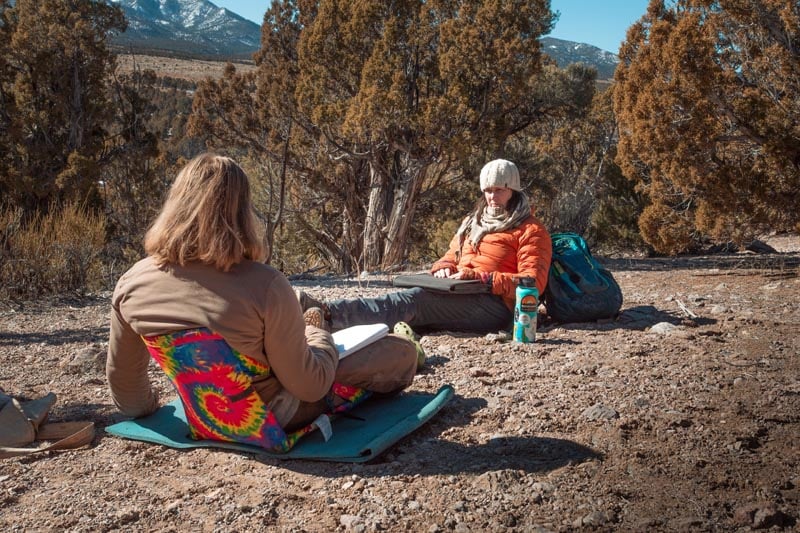
Take Richard's final advice to you: have the courage. If you're ready to clear the "daylight" of distractions and see your child's resilience shine through, let us guide you. Discover your family's path to healing today. Call us at 801-921-8488 or explore more on our website at redcliffascent.com.
Introduction: A Father's Journey
Tiffany: Welcome to The Stars Were Always There, a special episode of a father's journey through wilderness healing.
I'm Tiffany Silva Herlin, a licensed clinical social worker who walks along families navigating some of the hardest and most transformative moments in their lives. Today, we are honored to share a father's story, one filled with courage, faith, and the raw beauty of healing.
His daughter, Olivia, went to RedCliff Ascent, located in Utah, during the winter. What she found there wasn't just recovery- but a reset. What he found was perspective, gratitude, and awe.
In this episode, we will talk about how their family made the decision to continue treatment when traditional options weren't enough, and how this experience under the vast night sky revealed a truth that every parent can hold onto: that even when pain hides our children's light, the stars of who they are shine within.
Please remember, this podcast is for educational purposes only and not a replacement for therapy. Every family's path is unique. Please seek a licensed professional for support on your journey.
Richard, thank you so much for joining us on this podcast to talk about your experience with RedCliff and your daughter. I think a lot of parents are in need of hearing stories like yours. It's such an honor for you to be here and be vulnerable in sharing this journey and your progress with us, with your daughter. So thank you for coming.
Richard: You are more than welcome. I've always offered to act as a reference for RedCliff Ascent because I can say definitively, and from my gut, that I believe RedCliff Ascent saved my daughter's life.
That sounds dramatic. That sounds crazy, maybe. It's not. For me, it's a reality. The words that strike fear into the hearts of a bazillion parents are: anxiety, depression, and suicidal ideation. How many times have you said that as a therapist in your life, and how many times have parents heard that all across the country? That's where we were.
I live in New York state, and our daughter was here. In her 10th grade year, things just really went south. My wife and I have three kids. She is surrounded by two boys. We- I can't even begin to tell you how awful it was. As a parent, every day was just more and more trepidation and fear, and I can't imagine what our daughter was thinking. It was catastrophic.
We went to, I can't tell you how many doctors, how many different kinds of drugs they tried, and how many therapists.
The Family Crisis Point
Richard: Finally, in February of 2019, a therapist called us up and asked my wife and me to come in. She looked at us and said, "Your daughter's not safe. She needs to be in a facility today."
Tiffany: That's a hard- hard thing to hear as a parent.
Richard: There is nothing worse.
Tiffany: Yeah.
Richard: I- I'm- it brings me to tears even thinking about it. And so we took her to an acute juvenile place at the time. She was 15, just had turned 15, and we went there, and it was... the absolute worst.
She was there for some weeks, and then we ended up at a more permanent facility in New York State, a state facility, a Child Psych Center. That was just incredible. I went twice a day. I have a lot of flexibility in my job, so I went every day at lunch and every day at dinner. It was catastrophic. And we just watched our daughter spiral down.
They put her on, I don't know what kind of drugs she was on, but... she, I mean, doesn't every 15-year-old girl want to gain 40 pounds on drugs? That sounds great. It was awful.
Tiffany: Yeah.
Richard: And I just watched her go deeper, and deeper, and deeper- just disappear. And she started self-harming while in the psych center. The doctors and the professionals there were saying, "Oh, we're making progress." And my reaction was, "Like hell you are." That's just not happening.
Tiffany: Yeah.
Richard: And every day it just got harder and harder for us. Let's be candid here. Every time I act as a reference, I talk to parents and they say, "Hey, yeah, this is great for your marriage, and it's great on your other kids..."- being sarcastic- because it's awful.
Tiffany: Yeah.
Richard: The pressure on everyone- it's not just our daughter, it was her brothers, it was her parents. It's just everyone around us.
Tiffany: It's the whole family system, right? It's trauma, and crisis, and chaos for everybody.
Richard: Oh, it's totally invasive.
Tiffany: Yeah.
Richard: In every aspect of all of our lives. And finally, my wife's a brilliant lady, and she did a bunch of research. In our part of the country, wilderness therapy is just not a thing. It's just not…
Tiffany: Yeah.
Richard: ...It's not discussed. None of the professionals talked about it. So we found an educational consultant who was over near Syracuse, and she was just absolutely fantastic.
Finding Wilderness Therapy
Richard: She opened up that world. I will say that I got there emotionally, maybe a week or two before my wife did. And I get it- I'm a dad. Maybe I can be more... whatever- objective, more clear, whatever. It's...
Tiffany: No, you- you're a dad with a daughter. I don't know what... I have all daughters and...
Richard: Yep.
Tiffany: ...I have never seen my husband's heartstrings be tugged on so strongly. Like my daughter's crying, and I'm a little more tough, "Oh, she's fine, and let her cry." And he's like in there for a second, "What's wrong??" Because you don't want to see your daughter suffering. You don't want to see them in pain. That's your worst nightmare, right?
Richard: It was the worst. And finally, like November 19th of 2019, we flew her from Buffalo to Las Vegas, and then the next morning had child psych transporters that we arranged through RedCliff pick her up in front of Caesar's Palace at 6:54 AM.
Tiffany: Oh my goodness.
Richard: And that was the lowest point I could remember at any point in my life. That moment.
Tiffany: Yeah.
Richard: It doesn't get worse. It can, obviously...
Tiffany: It can, but that's pretty low to have to...
Richard: ...in my experience, it doesn't get worse.
Tiffany: Yeah.
Richard: I hadn't seen worse yet.
Tiffany: To get to the point where you need to send your child away because they're no longer safe. A: No parent wants to see their kid suffering, and not safe, and in so much pain. And then B: to have to send them away. That's heart-wrenching. It's...
Richard: It's so...
Tiffany: ...a part of you, like your arm gets taken off, you're losing a part of your limb, right?
Richard: Oh, it... I hate to even admit it, but we went straight to the airport and I had tequila in my hand in a quarter of a second. I just- I was shot, and so was my wife. We were both just devastated.
Tiffany: Yeah.
Richard: And we- there was just a point of, whether one believes in the maker or not, we were praying to our maker, "God, make this work," because we were really in a bad place. And so was our daughter.
Tiffany: And your whole family, it sounds like.
Richard: Our whole family.
The Crucial Role of Educational Consultants
Tiffany: Yeah. What was it like working with an educational consultant? How did your wife come across learning about an educational consultant? Because for our listeners who may not know what that is, they are someone whose career is to study all these programs out there, wilderness schools, and then be able to do the research and present to you: "Here are your options based off of your child's profile, their needs, their testing, their diagnoses."
That's so helpful for parents like you who are in a state of crisis, and you're so overwhelmed, and you're not probably thinking clearly at that point, right? Your brain is in fight, flight, or freeze- it's offline- to be able to go and find some support and help without having to get on the internet and research that vast world that is just really overwhelming and hard to navigate is really beneficial.
So, how did your wife stumble upon an educational consultant? I'm curious.
Richard: I think my wife's a super bright lady, and she did a whole bunch of research, and that concept she just stumbled upon, I think online.
Tiffany: Sure.
Richard: ...And we found one a couple of hours away. I can't imagine doing this without an educational consultant. I found that woman- she was worth her weight in gold. She was just absolutely, utterly fantastic to work with. I can't say she was sweet and kind- she had to be direct, because that's her job.
I'll never forget the day we took her out of the child psych center, and the debrief on the meds took 20 minutes.
Tiffany: Oh my heaven. She was on so much?
Richard: Oh, and I just looked- I looked at my wife, and my brain just stopped. I quit listening. I could not take any more data. And I said, "Honey, this is completely unsustainable. This can't work. We have to- we're doing the right thing." And we knew we were doing the right thing taking her to the wilderness therapy. It just was the emotional hump of getting over the hurdle to get there.
Tiffany: Yeah.
Richard: It was, ugh, it was awful.
Tiffany: Why were you willing to send her out of state versus a place closer? Because that's hard. A lot of parents who I've talked to on the phone who are looking for help, that thought of sending your child that far away is really hard. They want to find a place that's in-state and close. I know you mentioned there aren't any in-state, but why would you choose a place so far across the country for you?
Richard: We did a lot of... by the time we had focused on it, then I dove in and did a lot of research. I have a good personal friend who happens to live in Salt Lake, and I called him up and said, "What's the deal? Why is Utah kind of the world center for wilderness therapy?"
You can attribute a bazillion reasons, but I looked at it and I boiled it down to cultural reality. And once that begins to form, it's like McDonald's across the street from Burger King. It's like this infrastructure...
Tiffany: Yeah.
Richard: ...of humanity. Human capital just began to form and it just continued to grow. And then I will argue that our Maker was born in Southern Utah in the winter. That is the most beautiful country in the world.
Tiffany: It is so beautiful. Those of you who haven't been to Southern Utah, especially in the winter, it's just breathtaking. But I agree.
Richard: It's insanely beautiful.
Tiffany: Yeah. Yeah.
Richard: The high desert in the dead of winter in Southern Utah is...
Tiffany: Unreal.
Richard: Wow. It's heaven.
Failure, Shame, and Support
Tiffany: So you're saying like with the culture here in Utah, and doing your research, you're like, okay, we're ready. We're okay to send our daughter halfway across the United States.
Richard: I... we did it.
Tiffany: Yeah, sure.
Richard: Were we okay with it?
Tiffany: Okay, yeah, let's rephrase that.
Richard: It's awful. It's awful.
Tiffany: Yeah. What was your biggest fear in sending your daughter away?
Richard: That we had failed as parents. That- "what's wrong with us? Our sons are seemingly okay, and our daughter's not. What did we do wrong?"
I know, and from having acted as a reference so many times, that is a really common theme. It's just an awful inward look of failure. We failed our daughter, and I don't, as you referenced a bit ago about your spouse, that's just not something I could live with.
Tiffany: Yeah. I am sure in hindsight that's not the case, but in that moment, that shame as a parent... I mean that, I think that's- if you're a parent- that's all our biggest fear, right? Is that we're going to fail our kids and they're not going to be safe.
But yet, being a therapist and knowing the mental health issues that teenagers are facing, oftentimes I talk to parents like, it's not you. This is much bigger than you. There's not a manual that we could have given you to make this go differently. There are so many variables involved with this that you need more support than you can offer, and really, you did the best you could in that moment with what you had.
Richard: Yeah, Tiffany, you can say that. You can say that as a therapist, and I'm a smart guy, and I can hear you.
Tiffany: Sure.
Richard: But I'm not eating those words. They're not hitting home. And it was just... I... and I also found, interestingly, that people in our lives- and I don't mean to be cruel- would say the stupidest things you could imagine.
Tiffany: Oh, yeah, people... those one-liners.
Richard: "Have you tried that?"
Tiffany: Yeah.
Richard: Ugh...
Tiffany: People don't know how to deal with it when you're dealing with loss and grief and crisis. People just don't know what to say. So they say these stupid things, these one-liners that are more hurtful than helpful.
Richard: It was so stupid, and so hurtful. It's just catastrophic, but I don't blame anyone.
Tiffany: Sure.
Richard: I have learned to just start with, "I'm sorry," and let it go from there.
Tiffany: Some of the best things you could say in showing empathy is, "I'm sorry." And you could even say, "I don't know what to say, but I'm here."
Richard: Yep.
Tiffany: Yeah. In your letter, you wrote (you are an amazing writer), and we can, if you're comfortable, share some of your letter with our listeners. But in your letter, you described what it was like to drop your daughter off and then pick her up at the end.
And you described standing in a remote camp, waiting, anxious, and filled with this anticipation as your daughter ran down the stone path into your arms when you went to pick her up. That image captures something many parents struggling with teens would really relate to and understand- that deep ache of distance, followed by an overwhelming relief of reconnection.
Is there anything you want to share about finally getting to see your daughter again after you had this separation and this deep pain?
Richard: It was a surreal moment. We were in the middle of God knows where in Southern Utah, and she... Each child came down separately. There were three: there were two boys and our daughter. And they came down and had this reunion with their parents, and they literally run down a stone path that's a winding thing, so you can't see the kid until they're on you.
Our daughter, who had- as I said earlier- unfortunately gained all this drug weight and was... our daughter was not, by any stretch of the imagination, a "wildy," a "wilderness kid" at all. We live in suburbia, and camping is The Four Seasons kind of thing. I'm being facetious, but you get the point. She had never done any of that. We don't camp at all- ever.
And here this kid is- she happens to be blonde-haired, blue-eyed, so her hair is just wild and blonde hair everywhere, and those blazing blue eyes. And she's tan as can be, with a winter tan, just her face and hands. She looked like an absolute million dollars. She was strong as can be, had lost some weight, and felt fantastic about herself. She had her belt wound around because she had lost so much weight, and she just was- she couldn't have been happier. Could not have been happier.
Tiffany: Different girl than what you dropped off?
Richard: Oh hell yeah.
Tiffany: Sorry, I'm asking dumb questions, but yeah- just night and day probably for you.
Richard: It was phenomenal. What we looked at, and her whole demeanor was just- she was a different animal. And I... that was im...
Tiffany: Ultimately, I... and I can feel your love and your emotion as you talk about this. Let's take a step back. First of all, choosing wilderness therapy really isn't about giving up; it's about giving your child a new landscape to rediscover their own strength, like you were talking about. But let's take a step back and talk about what it was like? Or you thought...?
A "Reset Button": Detoxing from Distraction
Richard: I want- I want to challenge what you just said.
Tiffany: Okay. Okay.
Richard: When people ask me to, as absolutely succinctly as you can, describe wilderness therapy, I call it a reset button.
Tiffany: Yeah.
Richard: No social media, no garbage. Life just gets really simple. It's about staying alive. And she reset and found out who she is, and what she can do, and how strong she truly is. It's the reset button. Now, what you said is absolutely accurate, and you're a therapist and you're way better at it than I ever could be, but as a parent...
Tiffany: Oh, but I can be wrong- trust me. Put me in my place by all means.
Richard: But, as a parent, that's what I saw- it's a reset button.
Tiffany: It absolutely is. We actually talked about that in a previous mini episode and series before this: detoxing the kids, getting them off, like you said, no electronics. You don't have all these distractions, and friends, and social pressure, and school. It's them against the wilderness, and it's not like them against you and them against their friends or whatever else is going on. It takes all that away- all that distraction. So you're absolutely right. That's a better description- it is a reset.
Richard: That's what it felt like for us.
Tiffany: Yeah. So what was it like, say that first week, couple weeks, after you dropped her off- for you and for her?
Richard: A week after we dropped her off... I will tell you that my wife and I have been married 26 years- at the time, whatever, 20 years- and I literally was watching this brilliant woman just spiral down.
Then, a week after we dropped our daughter off was our son's- our older child's- 18th birthday. His birthday happened to be on Thanksgiving that year. So we were with extended family, and in a week, I just saw some light back in my spouse's eyes. In a week. Yes, we missed- we call her Olive- terribly, but I saw an amazing kind of... just a flicker of hope and light inside of my spouse.
This affliction that we're facing as a nation doesn't just hit kids. It's the whole family. So our son's 18th birthday, we made into a really fun day. And it was... it's awful on the whole family. And our younger son he needed some space. They all needed support.
I also think that one of the things I really liked about the first weeks of wilderness therapy is we didn't hear very much. And, okay, is that really a good thing? Knowing too much sometimes is a bad thing.
Tiffany: I agree.
Richard: Because guess what? I'm guessing for the first several days, our daughter was really unhappy. And if I had heard that, oh, I'd have freaked out. I probably would have been on a plane back to Utah to get her. They- it's the right thing to have limited communication.
Tiffany: I often talked to parents- I've worked at a residential program before- and that first call home, I just gear parents up for: if you hear from your kid and you have a call, just be prepared to know that they're going to tug on your heartstrings and do whatever it takes to get home. They're going to tell you how miserable they are, how mistreated they are. And I'm not saying don't acknowledge that and don't hear it, but be prepared because they're uncomfortable, and that's kind of the part that they need to be at in order for real change to happen. It doesn't happen in comfortability.
Turning Point: Quitting Self-Harm
Richard: Our daughter told me a story that I'll never forget, that I think is germane. She was self-harming, scratching, literally just scratching her wrists and ankles, and she was just... logically, she could sit there and say, "What am I doing?" But for her, it was a form of control.
Tiffany: Yeah.
Richard: She had control.
Tiffany: Absolutely.
Richard: And then, in a way that you understand and I don't, because I'm a CPA, I just watched her. She said that a couple of weeks in, maybe 10 days- whatever- into the program, one of the staff people, a woman, was right with her.
Olive looked at this woman and said, "I wish I could have some privacy here." And the staff person said, "Sure you can, just quit scratching." And she told me that at that moment, in that dark night, something just clicked. She felt it click- in her soul, in her brain, in her heart. And she was like, "What am I doing? What am I doing?" And that was the last time she has ever self-harmed.
Tiffany: That's incredible. So realizing "I could have this freedom and privacy," and that this is the reason why, really, was that turning point for her. So when did you finally get to hear from your daughter? You said it was a couple of weeks, you didn't hear much, so when did you get that contact?
Richard: We spoke with her therapist weekly. We had weekly calls. And she specifically said- she was awesome, the woman we had, Jen, was just like... I just can't imagine a more... I don't even have the words (and I'm a reasonably articulate guy), I just don't have the words. She was so fabulous. Just an angel on earth. An angel of mercy.
We talked to her weekly. I don't specifically remember... I don't think we talked to her at all until she had been there like five or six weeks, and we were coming out to look at therapeutic boarding schools, which we ultimately sent our daughter to Discovery Ranch for Girls- whatever it's called now, Discovery South or something.
And we surprised her out in the wilderness. I actually sent you a story about it today that I'd like you to read. You'll enjoy it. But it was just an amazing... we left Enterprise and drove wherever we drove, and you're- wait a minute- the humanity's gone.
Tiffany: There's nothing out here. They're in the middle of nowhere.
Richard: There's nothing.
Tiffany: Yeah.
Richard: So we got out there and Jen parked us in the clearing, and went and got our daughter. She walked around the clearing, and there she's standing there, staring at her parents like- it was just disbelief. Both directions.
And I'll never forget it- she said, "Mom, Dad, I have something important to tell you." And we're thinking like, "What does that mean?"
Tiffany: Not again?
Richard: And she said, "I've been here now five or six weeks, and I'm really settled in, and I've somehow earned the nickname of Olive. So I want you to call me Olive." And I almost had to snicker... "Okay, your name's Olivia, we're gonna call you Olive. That's not a big deal. We're good." It was hilarious. And I was expecting some catastrophic...
Tiffany: Yeah.
Richard: But we- I- we to this day call her Olive, and that's her choice.
Tiffany: I love it. And it's so normal for a parent who has gone through the trauma that you went through to have that knee-jerk, PTSD response trigger, right? Oh...
Richard: It's a PTSD response.
Tiffany: Yeah, absolutely. And that's actually what I wanted to say, going back to that- you talked about the light in your wife's eyes. That's so normal, and getting to celebrate your son's birthday. I think parents feel a sense of guilt when they send their kids away, but also a big sense of relief because you know your kid's safe. You're no longer living that day-to-day in fight, flight, or freeze, worrying about them, your family, everyone's safety.
I often talk to parents and families to say, "Your child's safe- it's now your time to go get the help you need." Whether it's therapy, support, take a breather, go on a vacation, go do something fun as a family, because you need that in order to heal. Because the whole family system needs to heal, not just your child. Absolutely essential for the family.
Richard: It's like when the flu comes into your family- everybody gets it.
Tiffany: Yep.
Richard: Everybody's impacted. And that's the way it was here. And it's that way for everybody, as you just said.
The Healing Power of Nature
Tiffany: Yeah. Let's shift gears. In regard to your daughter, do you know what some of the biggest challenges she faced while she was at RedCliff?
Richard: Oh, just learning to survive in that kind of environment. She had never camped before.
Tiffany: Yeah.
Richard: Never. Didn't know anything. So everything was new, and it was the dead of winter, and really cold nights, and it was tough. But she got there. With some time, she got there.
When I talk to her today and I say, "Tell me some bad memories of RedCliff," that's not something that comes to mind. She doesn't...
Tiffany: Interesting.
Richard: She harbors nothing but gratitude for, in hindsight, the experience. I'm sure there were tough moments; there obviously are, we all have tough moments every day. But her overall view looking back is very positive.
Tiffany: That's interesting, because I think a lot of parents, when they hear about sending their child to wilderness in the middle of winter in a state they've never been to, they're worried about their safety. They're worried about their child being okay, getting enough food, and being warm enough. Did you ever feel like she wasn't safe?
Richard: No. No. Absolutely not. When we- no, I was not- that was never even an issue in our minds. It was pretty straightforward. These people are professionals. Everyone I met, from the get-go, the whole time we dealt with both DRG, and more specifically to this conversation, RedCliff, were absolute, consummate, committed, hardcore professional people. Just awesome, loving, caring people. It's the magic- it's the Utah air. I don't know what it is. The culture there, I don't know what it is. It's something in Utah...
Tiffany: It's in the air- it's in the dirt over here.
Richard: Something.
Tiffany: How did nature play a role in your daughter's healing?
Richard: Oh, I think she developed an amazing appreciation for just... when she walks around home now- I'm a tree guy and we have an arboretum at our house- and she, of our three children by far, has the most appreciation for what we're doing. She's just dialed in. And it happened for one reason: because she spent 103 days in the winter in Utah. She just loves that country, that high, dry desert. When we've skied out west, she just loves it.
Tiffany: There's something about being able to disconnect, and get away from all the distractions, and to come out into nature, and it's just so healing.
Oftentimes... I grew up on the coast, the West Coast in California, and when I moved here, it was hard because I missed the ocean. Yet I found a love for the mountains and found myself that when I was having a hard day, or a hard week, I would go escape and do a hike in the mountains. Just getting out there, disconnecting, getting my feet into nature. In the Japanese culture, they call it forest bathing. They actually write a prescription for people to go forest bathe. Research shows how incredibly powerful it is for our mental health to reconnect with the earth, with nature. As "hippy dippy" as that sounds, it's real. There's research behind it.
Richard: There's absolutely no question. Just in the few days, the two days we were- when we picked her up at the end of the trails, so to speak- it was magical. It was absolutely magical.
Tiffany: I want to get to that story, but before we do, I think our listeners are wondering: okay, you didn't have contact with your daughter, but what was your family involvement like? Was there family therapy? How did you guys participate?
Richard: We talked with our daughter's therapist weekly, and she would give updates. I actually think she had a few pictures that she showed us, and she was wonderful.
Tiffany: Wasn't there a parent- was there a parent portal at the time? I know they have one now where you could get on and see pictures and updates.
Richard: I know there was at Discovery Ranch, I do not remember at RedCliff. I'm going to say no, but I can't remember for sure. It's all kind of a blur.
Tiffany: So now for our listeners, because it's been a number of years since she was there, now parents can go on and they can get on the parent portal, see pictures, updated descriptions of what's going on. So they're not just waiting for the therapist once a week.
But, so what else was your involvement? Did she write you guys letters every week too as well?
Richard: She did. She did. And it was narrative, her letters, just describing what her new experience is. I'm going to circle back to your concept- I would have loved a parent portal for wilderness. That would have been fabulous.
Tiffany: Yeah.
Richard: And if that's the case now, that's a real addition that... that's a win. Because it would have been fabulous just to see the metamorphosis...
Tiffany: Yeah.
Richard: ...in that child.
Tiffany: That's exactly why they added it.
Richard: It's fantastic. It's great.
Tiffany: Yeah. You talked about getting to go out there and visit your daughter at the end. What did you observe with your daughter's growth in those 103 days, and what was that like getting to see her again?
Richard: She was not the same person that we had dropped off three plus months earlier. It was magic. There's no other way to describe it. She was a different human being, a different woman.
She showed us how to light a fire with a bow drill, or whatever that's called. And I was like, "I don't get it. How can it work?" She was talking that you had to have the right species of stick, and just on and on- I'm like, "Who are you?"
Tiffany: The city girl.
Richard: It was...
Tiffany: She's making fires!
Richard: It was utterly fantastic. It was the difference... she was focused on the here and now, right in front of her. "This is what we're doing." And it was fantastic. Just fantastic.
The Stars Were Always There
Tiffany: You wrote in your letter: "The stars were always there, but daylight hides them. Just as pain hides the beauty, resilience, and love within these kids."
That metaphor is beautiful. That "pain as daylight hides the stars" beautifully describes the essence of wilderness therapy- helping these teenagers see what's always been within them. Can you share more about that realization you had in that moment with our listeners?
Richard: Sure. That night, we had the- I can't even remember what the event is called- where we sat around the fire, and the leader had a heart stick, I think it's called. He spoke his truth at that moment. And the stick went all the way around, and everyone listened to everyone speak. It was incredibly powerful. And then it went around again, and it just got deeper and deeper. It was like we were seeing the inside of souls. It was utterly beautiful.
Then, to just chill everyone down, we played some silly game, which was hilarious. And then people went various ways. My daughter, wife, and I went to a small yurt, hut, whatever it was. Most people stayed in the big area where it was relatively warm. But we went, and there was a small wood stove; we lit it, and like at midnight, I got up to put some more wood on the fire and just looked outside, and there was still some moonlight. Now, you're at 6,000 feet, and there's no human junk light.
But when I went back out at three o'clock, I was just utterly blown away. The absolute beauty of seeing just the gloriousness, on a beautifully clear night, in cold air... to just see all that light, all those stars- that's just magic. And it struck me like: this is in these kids. It's all there. We just have to find it. They have to find it.
Then, three or four hours later, at daylight, I walked outside and said, "Wait a minute, I was just here four hours ago and looked up and I saw just magic; now I'm looking at daylight..." The juxtaposed view for me was just phenomenal. And that's how that metaphor jumped at me. And I tried to put it in words as best I could.
Tiffany: I love it. Because I've had a similar experience growing up, and I'm not a big camper, but we did go to a girls' camp; and I remember some of the most magical moments was being away from all the city lights, and sleeping under the stars- not even a tent- and just staring up at the vast universe, and realizing how small we were. And how those were there, but we don't even realize it, because we're distracted by all these lights and artificial lights. And so I love that metaphor that you talk about with the kids. It's always there. It's always been within us. We just have to tune out the noise. We have to find it. And there's a lot of noise these days for kids.
Richard: Oh, it's awful. Yeah. I couldn't agree more.
Tiffany: Research reports that what you experienced- over 90% of parents and students report significant improvement within wilderness therapy. But it's your personal stories- not just statistics- that show how healing really unfolds in nature. I just love that story that you shared of that beautiful, awe-inspiring moment. Because a lot of times, that's what our kids have out there in the wilderness- that awe. They lose it. They lose that spark, they lose the awe, because they have everything they want at their fingertips. It's instant gratification. So to be able to rediscover that awe, like you did, that's the healing part of nature.
The Next Step: Therapeutic School
Tiffany: After 103 days in the wilderness, what was it like to bring your daughter home, but in your case, to bring her to the next program? And why did you guys make that decision?
Richard: We had spent a long time thinking about it, a long time researching it, spent time with our therapist, Jen- Olive's therapist. And we reached the conclusion that a therapeutic boarding school made the most sense. It did not make sense to bring her home. I can't really give you the therapeutic reasons for that; it was above my pay grade in terms of understanding, but it made sense. And we explained that, actually, the therapist explained that, to our daughter, and she bought in.
Tiffany: I was going to say, was she upset? "No way, I'm healed. Let's go home."
Richard: No, she wasn't. Because we had done the research and looked at a whole bunch of different therapeutic boarding schools, not just in Utah, but in the West. It just so happened that RedCliff Ascent's sister program, Discovery Ranch for Girls- whatever it's called now, Discovery Ranch South- was perfect.
I'll never forget I went there, and I heard about this calf program... I'm a bit of a cynic...
Tiffany: What is this hippy dippy stuff?
Richard: And I will tell you that I'll never forget this guy named Dave Moss, who was the activities director. He is just...
Tiffany: He's great.
Richard: He walked me through, and I bought it hook, line, and sinker.
Tiffany: Yeah.
Richard: It was like, I get it now. This child is going to care for another beast, another being, from three days old. It was an amazing experience for our daughter. I thought that's crazy. And then the equine therapy, I thought the same thing, but I couldn't have been more wrong.
But in any event, I realize I'm off topic, but for us, it felt like going from- we spent two days together, in between- but going from RedCliff Ascent to a not very far away therapeutic boarding program made all the sense in the world.
Tiffany: You wrote that she wanted to be there to continue her journey, to learn to struggle better. What did that mean to you, as her father, to hear that?
Richard: That means we won. That's the whole ticket. I look at what you're trying to do, what you try to do for a living.
Tiffany: Yeah.
Richard: What we as parents try to do, all we're trying to do is get our kids to learn to struggle better- and ourselves! I've done plenty of therapy and... it is what it is.
Tiffany: Yeah. I think when you first become a parent, you want to protect your child from everything. But that's such a disservice to our kids. That is just so enabling, because you can't. They're going to leave the house, and they're going to struggle. The next best thing is to teach them how to be resilient, have grit, and how to get through the struggle with the tools they need, because you are not always going to be there.
Richard: I worry... a parent is only as happy as his or her least happy child.
Tiffany: Couldn't agree more.
Richard: That's my view of life.
Tiffany: Yeah.
Richard: And I worry about her all the time. I worry about our sons, too. But, and I'll be honest, every time my phone rings, and I see it's her, there's just a little bit of me that jumps back to February 9th of 2019, and my throat tightens. It happens every time, and I suspect it will for the rest of my life. In a way, I find that it's daunting, and it's alarming, and it's frightening, but to remember is important- to me.
Tiffany: Yeah.
Richard: To remember how far we've come.
Tiffany: Yeah. And I just love hearing that you talked about your daughter being completely changed, and this new woman, and to see the light back in her eyes. It must have been so hard not to want to just pick her up to take her home, but knowing that she needed more support, more time to heal, and learning to struggle better so that she can be successful in life. I just think that's such courage on your part, to be able to do that, because I can't imagine not wanting to just take...
Richard: It was hard.
Tiffany: Yeah.
Richard: It was hard.
Tiffany: So how did you get through that?
Richard: I will say that, circling back to the educational consultant, Nancy had spent a fair amount of time talking with Jen, the therapist, and they were united in that perspective. So we were hearing it from both of them, which I found really beneficial. These are professionals. This is what these folks do for a living. And they were very clear, and very methodical and logical in explaining to us why they felt the way they did, and what they thought the upside was versus the downside.
The Ultimate Win: Life Today
Tiffany: Yeah. Jumping ahead, so your daughter finishes RedCliff Ascent, she goes to Discovery Ranch South, which is what it's now called. Where is she at now in her life, if you wouldn't mind sharing?
Richard: No, I don't mind a bit. She said to us... We were again working with the educational consultant and thinking, "What's next?" Do we... and we found a boarding school, and she said to us (which was great), "I want to be in the same time zone as you and Mom."
Okay. So we looked at boarding schools in the East, which is- we're in the Eastern time zone- and we found a school in Pike, New Hampshire. I so believe in that program that I'm now on their board of trustees. I just... I... they are... it's- I love Discovery Ranch for Girls, but that's a therapeutic boarding school, I think it would describe itself as such.
Tiffany: Yeah, that's accurate.
Richard: And the other end of the spectrum is just a traditional boarding school. This is a "tweener." And that's where she went and finished high school, graduated high school from Oliverian. She then went on to... she's now studying mechanical engineering at Union College in Schenectady, New York. And I'm going to see her this evening at five o'clock. She's coming home for Halloween.
Tiffany: That is awesome. And sounds like she's doing well. Obviously, you don't bring home a perfect teenager. They're still going to have their teenager struggles, but normal teenager struggles compared to what she was going through before.
Richard: I look in the mirror in the morning- I'm looking at somebody that's not normal. There's no perfect here.
Tiffany: Yes.
Richard: And I give her the space, and then I have a much better feel for her. When I see her struggling with something, I'll often say, "Let's go for a drive." And I'll drive. She drives the music in the vehicle, and it's music that I completely don't understand often, which is fine. And eventually, we talk.
My dad died 10 years ago. There's this outlook, this stone outlook, about 10 miles from our home in a little town named Akron, New York. There's this outlook named after my dad because he was a flyer. And she'll often go there, because you're looking north to Lake Ontario, and it's just this beautiful, serene place. I think at some level it reminds her of Utah. It's quiet, and it's just magical for her. She often will go there to just center herself.
Tiffany: I love...
Richard: Which is great. I love it.
Tiffany: Yeah, I love that. I actually was just about to ask you what lessons she carried into her life from wilderness.
Richard: I find her, when there's emotional strife around her, she knows how to be supportive in a way that others don't, because she's been through so much.
Tiffany: So much more empathy for others.
Richard: Immensely. Her older brother is now in a master's program, in counseling. I think it was just partially driven by watching his sister. And he has that empathy, and he's wonderful.
Tiffany: I know for myself that I feel like I've always had empathy, and that's why I sought to be a therapist. But it wasn't until I went through some of my own traumas and trials that were really deep and hard that just really opened my eyes even more, and allowed me to have more depth in regards to compassion and empathy for those who I worked with. I had empathy before, but it just multiplies it by a thousand to be able to show up for others.
Richard: I certainly feel different every time I talk to parents and act as a reference.
Tiffany: Yeah.
Richard: I- and doing this, it's like I'm doing this not for me.
Tiffany: Yeah.
Richard: I'm not doing it for you. I'm doing it for some broken-hearted kid, and his or her parents.
Tiffany: That...
Richard: That's why I'm here.
Tiffany: Yeah. That leads me to ask you: what do you wish you had known before starting this journey?
Richard: I wish that we had learned about wilderness sooner. I'm just thinking back on our fact pattern, about six months sooner. Because there would have been a lot of pain avoided, or at least altered.
Tiffany: Yeah.
Richard: We really got stuck in pharma, psycho counseling, almost a prison-like setting, and I can't even tell you how awful that was day after day.
Tiffany: I think as a common...
Richard: I think...
Tiffany: Oh, go ahead. Go ahead.
Richard: I think Olive, I think our daughter, has PTSD from that.
Tiffany: Yeah.
Richard: From that experience.
Tiffany: I talk to a lot of parents, and I think they'd say the same thing- that they wish they had acted sooner and known sooner that these programs and things were out there for them.
Final Advice: Have Courage
Tiffany: What advice would you give to a parent who is standing at the edge of their own trail, unsure what to do next?
Richard: Courage. One word. You have to have the courage to do the right thing. That's what it takes. It's a leap of faith.
If you want to go on any website or find any reviews, you can find horrible reviews of anything. You could find out that I'm an awful guy, and you're an awful woman, and that RedCliff is awful, but you can find it because people are writing it. That's the insanity of the internet.
I tell parents, yes, you should do your research. Absolutely do your research. But I'm telling you: RedCliff Ascent saved my daughter's life. Take that at face value, because that's the reality. This is what happened for us. I can't promise what's going to happen for you, but I know what happened for us. My daughter's coming home tonight, and I'm going to see my daughter at 5:00 PM because she's driving home. What does that mean? That means we won.
Tiffany: I love it. And having that courage is what every parent needs to have when they're facing the trials of where you were at with your daughter. Because you're right, those stories that are sensational, and loud, and scary are going to be heard because people click on those. That's what really leads...
Richard: The Paris Hilton stories...
Tiffany: Yeah.
Richard: That kind of garbage.
Tiffany: Yeah. And it's not that they aren't real, and they aren't out there, but your stories are the ones that parents need to hear that there's hope and there's healing. And it takes courage and faith to take that next step to get their child the help and healing they need, because kids like your daughter may not see another day if they don't get the help they need. That's the reality we're living in, unfortunately.
Richard: That's the reality.
Tiffany: You ended your letter with a powerful image, inviting families to walk outside, look up at the stars, and remember that every child has beauty within them. That idea that our role as parents is to help them rediscover their light feels like the heart of this entire journey for your daughter. Is there anything you would like to share with our listeners before we end?
Richard: I wish I could take them to 3:30 in the morning with me on, whatever that was, March 6th, 2020. I wish I could have them right at my hip, because what I saw was absolutely... I could see the metaphor. There it was. There were all these kids, a bazillion of them, just stars everywhere, just infinite light from separate sources. The majesty, the beauty of this was just phenomenal. And I realized that sleeping 25 feet away was another star, and then another 100 feet away were two more stars. There they were. We just have to find them. Gotta help them.
Tiffany: That's important.
Richard: And there's one more thing I will say to you.
Tiffany: Yeah, go ahead.
Richard: And that's when I act as a reference for families. It's pretty often the mom that calls. And I'll say, Tiffany- your husband's name is Todd, for example...
Tiffany: It is Todd, and he's a CPA too, so you can use that.
Richard: Oh, good for him. Okay. So, Tiffany, what's your husband's name? His name's Todd. Let me talk to Todd. Because dads are- we're guilty of the "suck it up, cupcake" kind of attitude. And that doesn't work. That doesn't always work. Sometimes it does. Sometimes it's relevant, but it often doesn't. And in this context, it's completely irrelevant.
I really get it- I get to the dads very directly. My language changes dramatically when I talk to dads, typically. I give it to them straight. And it's because there's always one parent that is the more reticent. That's just human nature.
Tiffany: Yeah.
Richard: And so very often it's the dad.
Tiffany: Yeah.
Richard: And I work in a field that's in construction. There are just a lot of men in construction. I'm just used to being really direct and blunt with guys, and I lay it right on them. "Listen, Todd, here's the deal." And I really implore fathers to, like, take a chill pill, relax, think about it, open your soul.
Tiffany: Yeah.
Richard: Open your heart. Realize what's going on. There is hope here- let's find it.
Tiffany: I love it. I think you have to be direct, you have to- even with the moms.
Richard: Oh, I am. But I give the dads an extra dose.
Tiffany: Yeah. I love it. And they need it. Well, Richard, or the Dood, you go by the Dood.
Richard: It is not the Dood. It's just D-O-O-D, Dood.
Tiffany: Okay, Dood, thank you so much for joining us. I just know that your story is going to reach a family, and a parent, and a dad who needs to hear it. And...
Richard: I'm glad to do it, and I hope you enjoy the other things that I sent you. If you have any questions or anything else you need from me, I'm more than happy to help.
Tiffany: Awesome. We'll share too, if you don't mind, we can attach your letters to this podcast so that people can read them. I think they're so beautiful and powerful to hear your story. I'm honored to be able to share it with those who need it and to be able to facilitate it today for our parents.
Richard: You have no idea how happy I am to help. Because if it changes one person's game...
Tiffany: Yep.
Richard: ...it's a win.
Tiffany: It absolutely is. If you can find one star out there, it's worth all the light that it brings.