
 Joint Commission Accredited
The Stars Were Always There: A Family’s Journey Out of a Mental Health Crisis
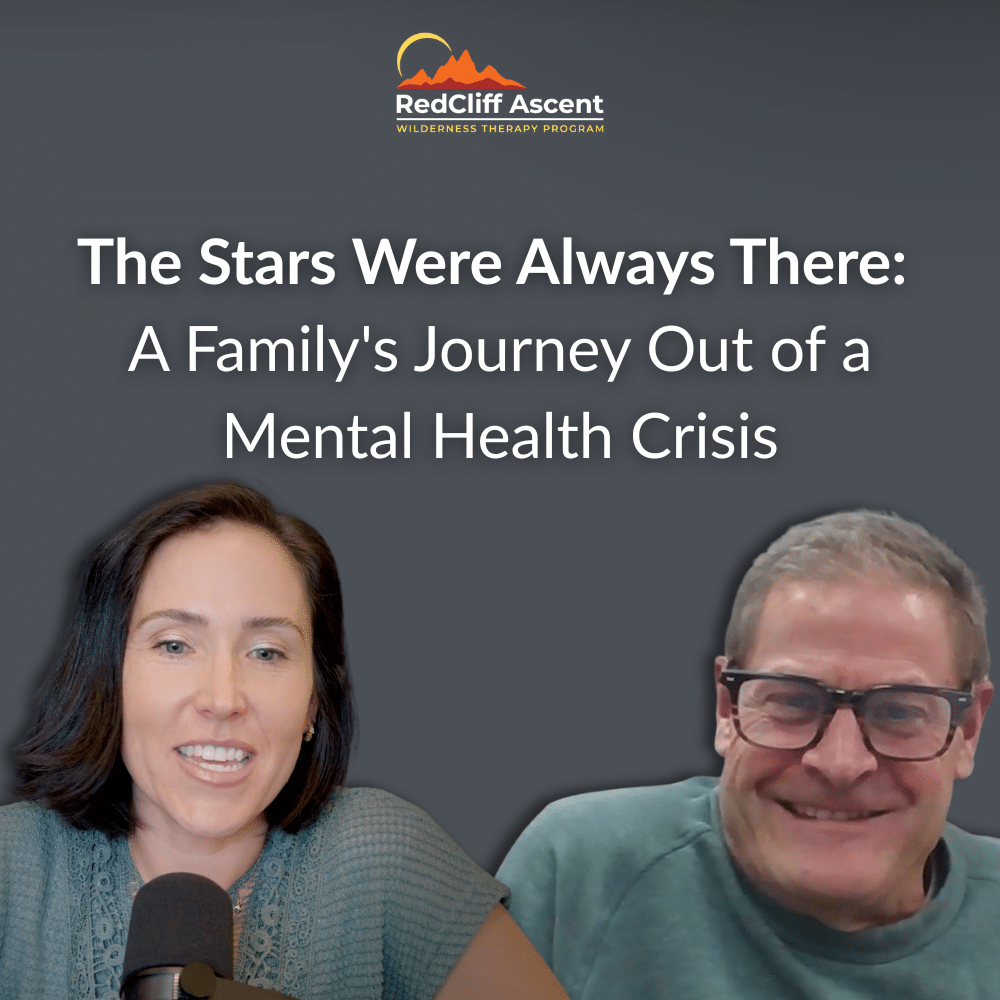
The Stars Were Always There: A Family’s Journey Out of a Mental Health Crisis In this premiere podcast episode of RedCliff Ascent, a New York father named Richard shares his family’s emotional and courageous journey after choosing wilderness therapy for his daughter, who was battling severe anxiety and depression. He shares the profound impact on…
Read MoreWilderness Treatment Center
Wilderness Treatment Center: Is it Right for My Family Deciding to seek professional help for your teen or young adult can be overwhelming, especially when navigating the many therapeutic options available. Wilderness treatment centers provide a unique, nature-based approach to addressing mental, emotional, and behavioral challenges. Through immersive outdoor experiences and comprehensive therapeutic interventions, these…
Read MoreA Simple Guide to Understanding Anxiety in Teens
Dealing with Anxious Teens: A Guide for Parents Is your teenager always worried? Are they struggling to do “the basics” despite everything you do or say to help? Do you feel like your anxious child is slipping away and becoming someone you don’t recognize? In this article, we’ll discuss anxiety in teens and what parents…
Read MoreAt-Risk Youth
At-Risk Youth It can be hard to imagine defining your child as being “at-risk.” As a parent or guardian, you have done your best. You have given your child love and support. You have tried to set a good example, and you want what is best for your child. It is often easy to ignore…
Read MoreTeen Intervention: Five Warning Signs Your Teen Needs Help
Teen Intervention: Five Warning Signs Your Teen Needs Help Parents often reassure themselves that their pre-adolescent or adolescent is doing fine as long as the child is not involved in dangerous behavior (alcohol use, drug use, sexual acting out) and is making good grades. In fact, the warning signs of impending trouble are actually closer…
Read MoreTeens and Substance Abuse: A Comprehensive Guide for Parents
Teens and Substance Abuse: A Comprehensive Guide for Parents During the teenage years, adolescents are biologically driven to explore their identities and to try new things. The brain is still developing the judgment and self-inhibition systems. This can result in adolescents easily going along with their peers, acting impulsively, and seeking out new and exciting…
Read More19 Signs of a Troubled Teenager
19 Signs of a Troubled Teenager Teenage years and teenage problems can be rough for parents and teens alike. As teens make mistakes, learn, and develop the skills necessary to be an independent, autonomous adult, it can seem like they are on an emotional roller coaster. Some behaviors that teens display are normal, such as…
Read MoreNavigating a 5150 Hold for Minors: A Guide for Parents
Navigating a 5150 Hold for Minors: A Guide for Parents When your child is in crisis, everything can feel like it’s spinning out of control. Teen mental health struggles can escalate quickly, leaving you feeling helpless and scared for your child’s safety. In these moments, it’s clear that urgent help is needed. Get the Info…
Read MoreBoot Camp for Kids: There is a Better Way
Boot Camp for Kids: There is a Better Alternative Every parent wants their child to be happy, healthy, and successful. When a child struggles to meet expectations or lacks motivation, it can be heartbreaking. You believe in your child and want them to see their potential, yet the path to helping them can feel overwhelming.…
Read MoreSetting Healthy Boundaries With Your Teen
Setting Healthy Boundaries With Your Teen Boundaries are healthy limits put in place to help your teen stay safe. They establish who your teen is, what they value, and how they want to be treated. This also rings true for parents – what do you value in your relationship with your teen, and how do…
Read MoreUsing the Integrated Care Model in Wilderness Therapy

Using the Integrated Care Model in Wilderness Therapy A common question in mental health treatment is, “Where does treatment start?” Should therapists focus first on healing trauma and mental health issues to stop drug use? Should they resolve physical health concerns to alleviate emotional problems or vice versa? In a seamless cycle of coexisting issues,…
Read MoreNarrative Family Therapy: Change Your Family’s Story
Narrative Family Therapy: Change Your Family’s Story For generations, people have seen the wilderness has been a place of change and transformation. Many of the popular myths from the past involve someone entering the wilderness, overcoming a challenge, and returning a transformed individual. Today the wilderness continues to be a place of healing, with wilderness…
Read More